
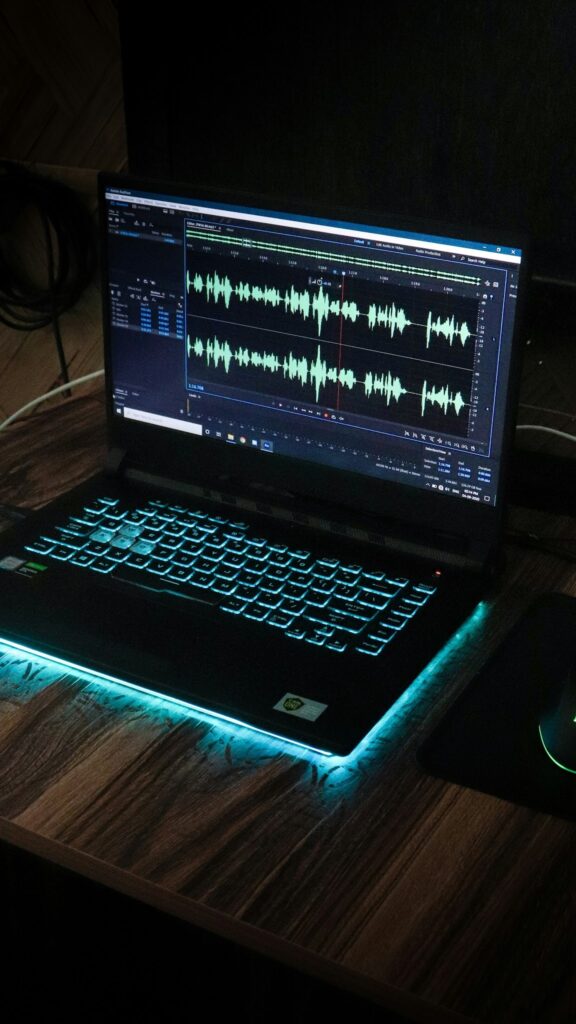
You can close your eyes and still know when a casino game is speeding up, paying out or asking for a decision. That response is no accident. Behind the music and a dealer’s call sits audio work designed to keep you following the action from one moment to the next.
Casino games have always used sound to tell players what is happening. Old machines relied on bells, clattering reels and coins dropping into metal trays, whereas modern games use recorded music and digital effects. The screen gets most of the attention, but sound supplies much of the pace. It marks a result, warns that a round is ending and gives each game its own character. Take the sound away and the same pictures can suddenly seem flat and strangely unfinished.
From Mechanical Bells to Digital Soundscapes
The move from mechanical machines to online play gave game designers far more control over sound. A bell could signal a payout on an old machine, but a modern game can change its music during a bonus round, add a rising tone during a tense moment or use a short cue to confirm a choice.
At Jackpot City South Africa, that range covers Spin Games with themed audio, Aviator rounds built around a climbing multiplier, Quick Games with immediate feedback and live tables where dealers speak directly to players. The site also carries Crash Games and streamed BetGames, so the soundtrack has to serve several kinds of play rather than repeat one house style. The first-deposit offer currently matches 100% up to R4,000 when claimed within seven days of registration, and the game audio sits around that wider product rather than standing alone today.
Sound Can Change the Way a Result Feels
Sound can make a result seem bigger than the numbers say. A University of Waterloo study asked 96 gamblers to play 200 spins with sound and another 200 without it. Each block contained 28 genuine wins, 28 returns worth less than the original stake and 144 complete losses.
Players estimated 33 wins in the sound-off session, which was five above the real total. With sound switched on, their estimate rose to 36, an overcount of eight or 29%. They also reported greater enjoyment and excitement, and most preferred the version with winning sounds. The music did not alter the payout or turn a loss into a win. It changed the way the result was received, especially when a small return arrived with the same bright sounds used for a genuine gain. Sound therefore carried information the payout figure could not supply.
Each Generation Builds on the Last
Rock music developed through generations because musicians kept the basic tools and found new ways to use them. Electric guitars remained central, yet punk stripped the sound back, metal made it heavier and alternative rock opened the door to rougher textures. Each generation borrowed something, then rebuilt it for a different audience.
Casino audio followed a similar path. Mechanical reels supplied clicks and bells; early video games added simple electronic jingles. Online games can now layer background music with voice prompts, countdowns and changing effects that react to the round. The old job remains in place: tell the player what has happened. The difference is the amount of control available. A designer can now make one sound fade, bring another forward and alter the pace without changing the rules of the game at all today.
Different Games Need Different Rhythms
Different game formats need different audio because they ask the player to watch for different things. Spin games can carry a looping track beneath the reels, then cut through it with a clear result sound. The music can stay steady during ordinary play and become busier when a feature begins.
Crash games work differently. The rising multiplier creates its own tension, so the sound often climbs with it and stops sharply when the round ends. Quick Games need fast confirmation because each choice leads straight to the next screen. Live dealer tables leave more space for speech, since the dealer must explain the action and keep play moving. Background music has to sit below the voice rather than compete with it. Good audio design therefore follows the pace of the game and helps the player understand what clearly requires attention.
The Sound Is Part of the Experience
Casino sound has moved a long way from a bell fixed inside a cabinet. It now carries instructions, marks changes in play and gives a game much of its personality. You may remember a rising Aviator tone or a dealer’s voice long after forgetting the background graphics. That is the real job of the soundtrack: it keeps the action easy to follow and gives each format a distinct pace. The result still comes from the game, but sound decides how clearly that moment lands for the person playing it today.